
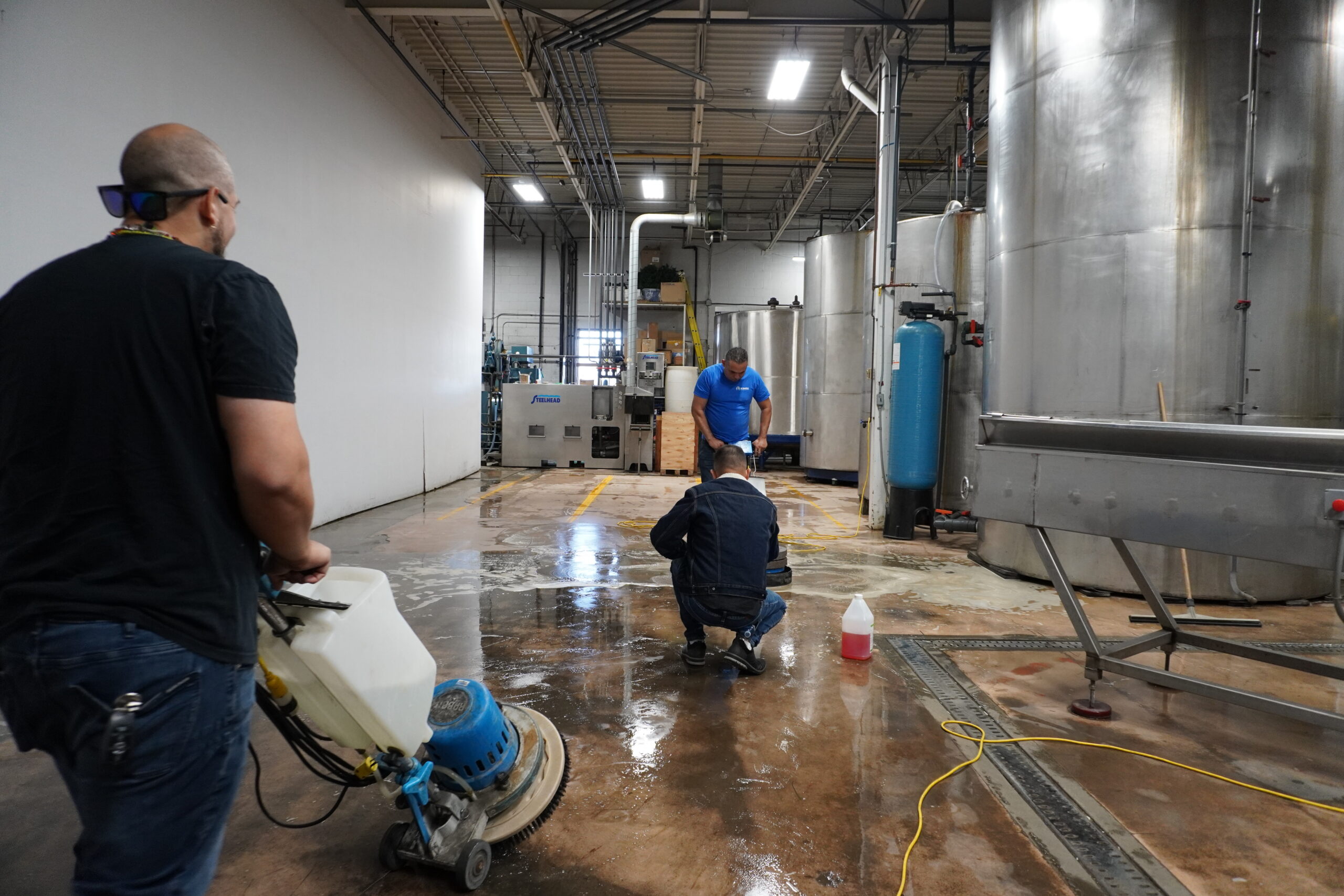
Concrete basement floors whether in commercial warehouses or large residential basements are built to last. But over time, they accumulate stains, grime, and moisture-related damage that not only look unsightly but also compromise hygiene and safety. If you’re dealing with painted or sealed concrete, or spaces with frequent foot traffic or storage activities, cleaning takes a little more strategy than just mopping.
This guide walks you through the best ways to clean concrete basement floors while helping you understand when it’s time to call in expert services who know cleaning methods for such materials.
Understand the Type of Floor You’re Working With
Before diving in, identify whether your floor is:
- Sealed/painted concrete: Easier to clean but prone to scuff marks and peeling paint if cleaned improperly.
- High-moisture or high-traffic floors: Common in food storage areas or laundry rooms. These attract salt residue in winter, grime from daily use, and even rust from equipment.
Each type may require a slightly different cleaning approach. Let’s break down the essential methods.
1. Start with a Dry Sweep or Vacuum
Clear all dust, sand, and loose debris using a commercial-grade vacuum or stiff-bristled broom. For large commercial areas, using an industrial floor sweeper saves time. Dust left behind can turn into sludge when wet.
2. Tackle Rust Stains with Mild Acids
Rust is common in basements with exposed metal shelves or water heaters. Use a mixture of lemon juice or vinegar and scrub with a soft brush. Avoid harsh acid solutions unless you’re working with unsealed concrete and even then, only under professional supervision.
3. Degrease with an Alkaline Cleaner
For oily stains, especially in utility areas, an alkaline degreaser works best. Apply, let it sit for 10–15 minutes, and then scrub thoroughly. Some grease marks may need two rounds. Always rinse the floor completely to avoid slippery residue.
4. Use a Neutral-pH Cleaner for Painted or Sealed Floors
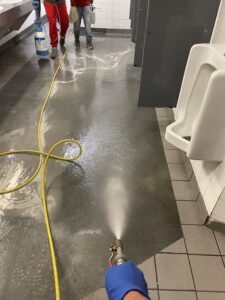
Harsh chemicals can strip paint or dull sealed finishes. Stick to neutral-pH commercial floor cleaners that lift dirt without damaging the protective coating. Microfibre mops or auto scrubbers are ideal here.
5. Treat Salt Residue After Winter
In Canadian winters, salt and slush from boots or equipment wheels accumulate fast. Use warm water mixed with a small amount of vinegar to neutralize the salt, then rinse thoroughly. Avoid excessive water, especially if drainage is poor.
6. Prevent Mildew and Mould
Basements are vulnerable to humidity and condensation, especially in transitional seasons. Ensure regular cleaning with a disinfectant safe for concrete, and always dry the floor properly. For deeper mould concerns, consider hiring a commercial cleaning service in Kitchener that understands the needs of moisture-sensitive environments and can provide targeted solutions to prevent recurring issues.
7. Deep Clean with a Scrubber Machine
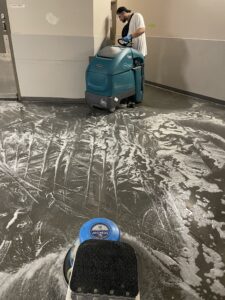
For large areas or high-traffic zones, automated scrubber machines offer consistent deep cleaning. These machines use rotating brushes and suction to clean and dry simultaneously, ideal for commercial environments.
8. Rinse and Dry Thoroughly
No matter what method you use, always do a final rinse with clean water and dry with industrial fans or dehumidifiers. Concrete is porous—even sealed surfaces can trap moisture if not dried properly, leading to cracks or mould over time.
9. Address Persistent Odours
If a musty smell lingers despite cleaning, inspect drains, sumps, or floor cracks. Sometimes, it’s not about the floor but what’s beneath it. A professional inspection can identify hidden moisture issues before they become structural.
10. Schedule Routine Professional Cleaning
While occasional DIY cleaning helps, high-traffic or sensitive environments demand consistency. Hiring expert services who know cleaning methods for such materials ensures longevity, safety, and a professional finish. For example, if you’re already looking at how to clean vinyl plank flooring, the same logic applies: proper tools, experience, and technique matter.
When Should You Call a Professional?
If you notice:
- Repeated stains not responding to standard cleaning
- Foul odours or signs of mould
- Winter salt build-up that returns quickly
- Uneven paint or sealed surface damage
…it’s time to seek professionals like Kings Cleaners, who are trained in deep concrete floor cleaning for both residential and commercial clients. We handle the tough jobs using industrial equipment and proven techniques.
Conclusion
A well-maintained concrete floor lasts longer and stays safer. Whether it’s your storage facility or basement rec room, keeping the floor in great shape helps you avoid long-term damage, costly repairs, or hygiene concerns.
Request a quote if you’d like help maintaining your concrete floors year-round.